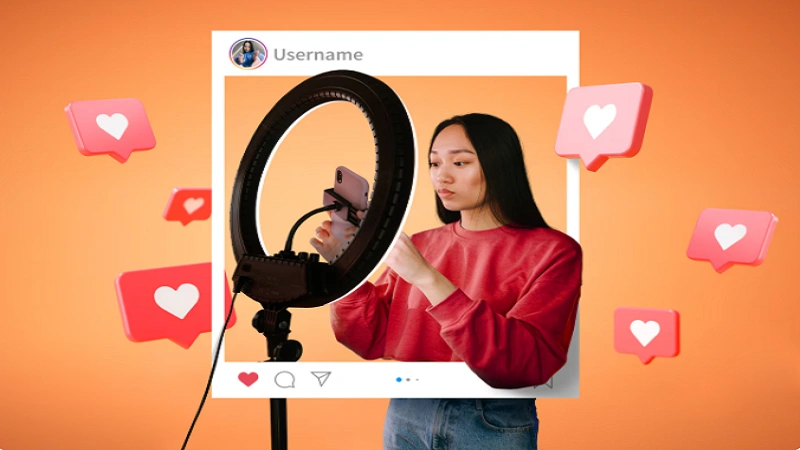
The digital age has brought about a seismic shift in how people communicate, consume content, and even define success. At the center of this revolution are influencers who leverage social media platforms to reach and engage massive audiences. While many influencers have built respectable brands and authentic communities, there’s a growing concern over how far some are willing to go for fame, engagement, and profit. This phenomenon has sparked a conversation under the term influencersgonewold, a phrase symbolizing the unfiltered and sometimes unhinged evolution of social media personalities.
This article explores what “influencersgonewold” really means, how influencer culture has changed, the consequences of online fame, and the future of digital influence.
What Does “InfluencersGoneWold” Mean?
The term influencersgonewold is a play on the phrase “gone wild” and has gained traction as a way to describe influencers who break conventional boundaries ethically, socially, or professionally. It encapsulates incidents where influencers engage in outrageous, reckless, or controversial behavior to gain views, followers, or virality.
While not all influencers fall into this category, the term is increasingly used to spotlight cases where the pursuit of online fame overshadows responsibility, honesty, or good judgment. From fake giveaways to inappropriate content, the behaviors linked with this trend raise important questions about the role of accountability in influencer culture.
The Rise of Influencer Culture
The Early Days
Influencer marketing began with the rise of platforms like YouTube, Instagram, and Twitter in the late 2000s and early 2010s. Back then, influencers were often niche content creators such as beauty vloggers, travel enthusiasts, gamers, and lifestyle bloggers who built loyal communities based on shared interests.
Their authenticity and relatability made them more trustworthy than traditional celebrities, and brands quickly saw the potential in partnering with them for marketing.
Monetization and Fame
As social platforms evolved, so did the influencer economy. Monetization opportunities expanded through sponsored content, affiliate marketing, merchandise, and brand deals. Some influencers began earning millions, turning their online personas into full-blown careers.
This economic incentive brought with it an explosion of new creators. The downside? The barrier to entry dropped, but the competition soared. This intensified the pressure to stand out, often leading to more provocative or extreme content.
When Influence Goes Too Far
The Drive for Virality
In the age of algorithms, going viral can change someone’s life overnight. Unfortunately, this desire for virality sometimes pushes influencers toward questionable decisions. The term influencersgonewold is frequently used in stories where this pursuit leads to regrettable outcomes.
Examples include:
-
Staging dangerous or illegal stunts: Some influencers have been caught trespassing, performing risky acts, or disrupting public spaces to record content.
-
Spreading misinformation: Health and wellness influencers in particular have been guilty of sharing unverified claims that can mislead large audiences.
-
Emotional manipulation or fake content: From staged pranks to falsified charitable acts, some content creators have been exposed for using deceit to gain sympathy or popularity.
Cancel Culture and Public Backlash
With great reach comes great scrutiny. Influencers today are held to high standards by their followers, and many have faced backlash for offensive comments, cultural appropriation, or tone-deaf campaigns.
The term influencersgonewold is often invoked during these public reckonings, capturing the sentiment that some creators have strayed far from their original, authentic selves.
Psychological Impact on Influencers
While much of the focus is on the audience, the influencers themselves are not immune to the pressures of the online world.
Mental Health Struggles
Constantly being in the public eye can take a toll on mental health. Many influencers report experiencing:
-
Burnout from the pressure to constantly create content
-
Anxiety about keeping up with trends and algorithms
-
Depression linked to cyberbullying or negative comments
These psychological effects can contribute to erratic behavior, reinforcing the influencersgonewold old pattern.
Loss of Personal Boundaries
As influencers share more of their personal lives, the line between public and private blurs. Family conflicts, relationship drama, and personal breakdowns are often broadcast to millions, further fueling the cycle of overexposure.
How Audiences Are Reacting
Growing Skepticism
Audiences are becoming more critical and discerning about the content they consume. Many are starting to see through staged authenticity and commercial motives. When influencers prioritize shock value over substance, it can erode trust.
This has given rise to “de-influencing,” a trend where creators actively discourage followers from unnecessary purchases or misleading content. It’s a response to the overload of promotional material and signals a shift in consumer expectations.
Demand for Accountability
The digital generation wants influencers to be more than just entertainers; they expect them to be responsible, transparent, and ethical. The backlash associated with influencersgonewold incidents often comes from communities that once supported these creators.
Social media has become a powerful tool not just for fame, but also for accountability. Screenshots, videos, and receipts can spread quickly, and influencers are learning that every action leaves a digital footprint.
Industry Implications
The Role of Brands
Brands have started to reassess their partnerships in light of controversial influencer behavior. Many companies now conduct deeper vetting processes before collaborations and are quicker to cut ties when scandals arise.
There’s a clear message: influence is powerful, but with power comes responsibility.
Regulation and Oversight
Some governments and organizations are pushing for greater regulation of influencer marketing. This includes:
-
Mandatory disclosures for paid promotions
-
Content guidelines for harmful or misleading material
-
Age restrictions for certain types of content
These measures aim to make the online space safer and more transparent for both creators and consumers.
Moving Forward: A Healthier Influencer Culture
Promoting Positive Role Models
Not all influencers have gone wild. Many continue to use their platforms for good, raising awareness, educating followers, and supporting causes. These creators often enjoy long-term success because they prioritize authenticity, respect, and meaningful engagement.
Educating Aspiring Influencers
Aspiring content creators should be educated about:
-
Ethical content creation
-
The psychological realities of online fame
-
The importance of community over clout
With the right guidance, the next generation of influencers can avoid the pitfalls that led to the rise of the influencersgonewold narrative.
Building Digital Literacy Among Followers
Audiences also play a role. By practicing digital literacy, questioning sources, and setting healthy boundaries with influencers, viewers can contribute to a more responsible and balanced online ecosystem.
See Related: Influencers Gonewild: A Complete Guide to the Rise, Risks, and Reality of Viral Fame
Conclusion
The rise of influencer culture is one of the most fascinating developments of the digital age. While it has opened up incredible opportunities for creativity and connection, it has also exposed the risks of unregulated, fame-driven behavior. The phrase influencersgonewold captures a growing awareness of the need for balance, accountability, and ethics in the world of digital influence.
Moving forward, both influencers and audiences must navigate this space with more care. Only then can the influencer world evolve into a force that uplifts, educates, and inspires without losing its way.